
"FDI in coffee"
146000 article(s) found

A brief introduction to the Origin, Development, History and Culture of Fine Coffee beans in Tian Chi Manor
Columbus arrived here in 1502 and reached the east coast of Nicaragua. In 1522, Spanish colonists began to conquer the region. The cities of Granada and Leon were founded in 1524. From then on, Nicaragua became a Spanish colony and came under the jurisdiction of the Governor's Office of Guatemala. The city of Leon developed into a political and cultural center; Granada became a commercial and agricultural center. In the later period of colonial rule

Introduction of major coffee producing areas in the world Central and South American coffee beans, African coffee beans, Asian coffee beans
[introduction] Coffee comes from coffee beans, which are harvested and processed from the fruit of trees. Coffee trees grow at the center of the equator, between latitudes of 25 degrees south and north, and are called coffee belts in the homes of tropical or subtropical countries. at present, raw coffee comes from coffee beans, which are harvested and processed from the fruits of the trees. Coffee trees grow at the center of the equator.
Coffee producing area 12 famous high quality coffee producing areas in the world.
one。 In 1808, coffee was first introduced to Colombia, which was brought by a priest from the French Antilles via Venezuela. Today the country is the second largest producer after Brazil. The origin of coffee in Colombia: Jamaica I. Colombia in 1808, coffee was first introduced to Colombia (Colombia), which was started by a priest.

The treatment method of grinding degree and baking degree of sweet, non-astringent, non-bitter and non-sour mai boutique coffee beans
Alishan Mafeel coffee is an authentic Taiwanese coffee. Mazu is taken from the language of the Zou people of the Alishan people, which means delicious. Alishan is the area where coffee is grown, while the Alishan coffee is grown by the Zou people, and it is also named Mafeel, and the coffee grown belongs to Taiwan coffee. Due to the low production of Taiwan coffee from Alishan.
The spread footprint of Coffee basic knowledge about Coffee
As far back as the sixth century AD, Arabs first discovered coffee by virtue of their innate wisdom. In 1616, Dutch merchants secretly brought coffee seeds to Europe. From then on, coffee became uncontrollably popular all over the world, giving birth to a coffee culture with different styles in different countries. As a part of modern civilization, coffee is no longer limited to the ancient medicinal value, but also an expression of leisure and elegance.

A brief introduction to the cultivation of boutique coffee beans in moderate acidity Tianqi Manor, geographical location, climate and altitude
In many countries, coffee production will be seriously affected for political reasons. Nicaraguan coffee industry is no exception. The 1979 revolution forced coffee planters to flee to Miami. A period of indecision followed, when the government considered whether to redistribute land (including many plantations), which led to a shortage of coffee and a decline in production since the early 1970s

Panamanian Kasha Coffee Flavor and taste introduction to boutique coffee beans in the manor area
Species of Geisha were discovered in the Rose Summer Forest of Ethiopia in 1931 and sent to the Coffee Research Institute in Kenya, introduced to Uganda and Tanzania in 1936, introduced to Costa Rica in 1953, and Panama was introduced in the 1970s by Mr. Francico Serraxin of the Tonba Seven Farm Garden from CATIE in Costa Rica and began to grow Rose Summer Coffee. G

Coffee beans of moderate particle size. Flavor, taste, aroma. Description
In many countries coffee production is severely affected for political reasons. The coffee industry in Nicaragua is no exception. The revolution of 1979 forced coffee growers to flee to Miami. A period of uncertainty ensued as the government considered whether to reallocate land (including many plantations), resulting in coffee shortages and declining yields from the early 1970s.
Introduction of Coffee from 53 Coffee producers in the World (5)
forty-one. Coffee cultivation in Zimbabwe (Zimbabwe) began relatively recently, in the 1960s, when farmers in southern Africa set up coffee plantations. Coffee cultivation in Zimbabwe is mainly concentrated in the eastern highlands near Mozambique, mainly by the Chimanimani mountains and northward Nyanga (Ny).

The first cafe in China appeared in Guangzhou. Lu Xun doesn't really like coffee.
Communication of professional baristas Please follow the girls of the Republic of China who drink coffee in the coffee workshop (Wechat official account cafe_style) A silver coffee pot made for export in China at the end of the Qing Dynasty. The coffee mugs of the last years of the Republic of China are printed with the head of the Queen of England and the advertising of canned coffee during the period of the Republic of China. Today, let's talk about coffee, a petty-bourgeois drink popular all over the world. There are not many drinks popular all over the world.

Differences in taste and flavor characteristics of coffee bean varieties in three major coffee bean producing areas
Characteristic flavor of coffee beans from three regions-● Santos NO2, Brazil, (Brazilian Santos NO2) soft, gentle and unique, smooth taste, derived from one of the largest coffee producing areas in the world. Moderate acidity, rich and body, mild, unique and smooth flavor. If it is the size of adzuki beans (17-18 / 64 inches)

What is the difference between Yunnan coffee beans and small coffee beans
Professional baristas please follow the coffee workshop (Wechat official account cafe_style) small Coffee and Yunnan Coffee Coffee originated in Africa, all the complicated and confusing stories of coffee are inseparable from this basic fact about Africa. China first planted it in Taiwan in 1884. In 1908, Hainan Island, Yunnan and Guangxi began to introduce planting. 1914

World Coffee History in the sixth Century Ethiopian shepherds discover red coffee fruits
In the sixth century, Ethiopian shepherds discovered red coffee fruits. In the eleventh century, Arab merchants spread coffee to Europe. In the 16th century, Franz Geora Kolschitzky, a Viennese, established the first coffee shop in Europe. He also started the trend of drinking coffee with milk. In 1554, coffee in Istanbul became black gold, and it was very popular with Ethiopian shepherds in the sixth century.
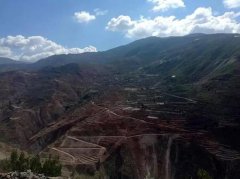
Zhukula-- A place where coffee pilgrims must visit once in their lives.
For the exchange of professional baristas, please follow Zhu Kula, the coffee workshop (Wechat official account cafe_style), the birthplace of coffee in China, where coffee fanatics must visit once in a lifetime. There are 1134 old coffee trees and 24 old coffee trees. On June 16, the big names of the global coffee industry gathered in Zhu Kula. The forum was held in the old church in the village of Zhukula in 131.

The History of Coffee in China the history of coffee in China
According to historical records, coffee trees were first planted in Taiwan in 1884, and coffee cultivation in mainland China began in Yunnan. In 1902, a French missionary named Tian introduced seeds from Yinggong County in Binchuan County, Yunnan Province. it was successfully planted in a place called Zhu Kula, which is located on the bank of the Yushan River, a tributary of the Jinsha River. The commercial cultivation of coffee in Yunnan began in 1985, but its development is slow.

Description History of Flavor of main Coffee Bean varieties in Yunnan
Communication of professional baristas Please pay attention to the coffee workshop (Wechat official account cafe_style) small grain coffee, the main producing area of Yunnan coffee, is suitable for growing in the mountains at an altitude of 8001800 meters. If the altitude is too high, it will taste sour, and if it is too low, it will taste bitter. Small grains of coffee are mostly planted in dry and hot valleys at an altitude of 1100 meters above sea level, so they are moderately sour, rich and mellow. Many areas of Yunnan are suitable.

Introduction to the main Coffee producing areas in the World
Coffee comes from coffee beans, which are harvested and processed from the fruit of trees. Coffee trees grow at the center of the equator, between latitudes of 25 degrees south and north, and are called the homes of tropical or subtropical countries called coffee belts. At present, there are about 60 coffee-producing countries. Coffee is produced in South America, Central America, the West Indies, Asia, Africa, Arabia, the South Pacific and

A brief introduction to the Origin, Development, History and Culture of Fine Coffee beans in Tian Chi Manor with moderate acidity
In many countries, coffee production will be seriously affected for political reasons. Nicaraguan coffee industry is no exception. The 1979 revolution forced coffee planters to flee to Miami. A period of indecision followed, when the government considered whether to redistribute land (including many plantations), which led to a shortage of coffee and a decline in production since the early 1970s

A brief introduction to the description of the flavor, taste and aroma characteristics of fine coffee beans in Tianqi Manor
Columbus arrived here in 1502 and reached the east coast of Nicaragua. In 1522, Spanish colonists began to conquer the region. The cities of Granada and Leon were founded in 1524. From then on, Nicaragua became a Spanish colony and came under the jurisdiction of the Governor's Office of Guatemala. The city of Leon developed into a political and cultural center; Granada became a commercial and agricultural center. In the later period of colonial rule
Coffee shop the earliest coffee shop in history
-Central Asia-the earliest cafe, called Kaveh Kanes, was built in Mecca. Although originally for a religious purpose, these places soon became centers for playing chess, chatting, singing, dancing and listening to music. Since Mecca, cafes have spread all over Asia.